1. What are VOC/COC Certifications? What’s the Difference Between Them?
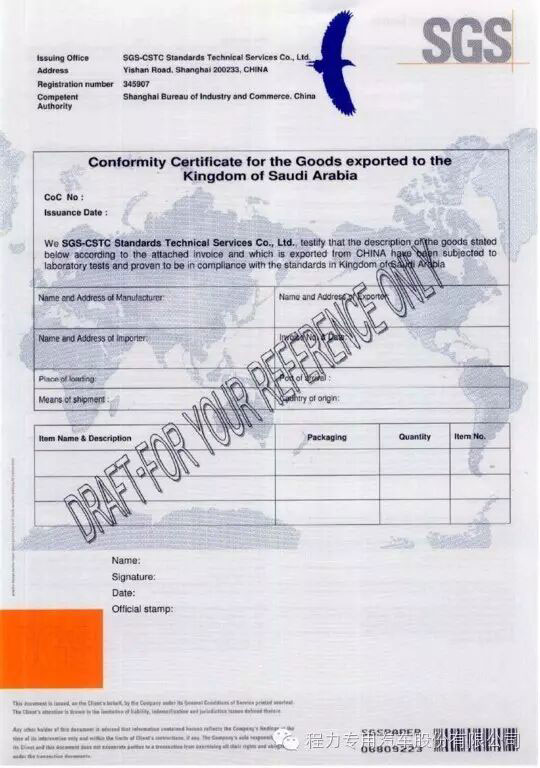
COC stands for Certificate of Conformity (full English name). VOC stands for Verification of Conformity (full English name).
Both COC and VOC refer to the same certificate; they are just different denominations for the same document.
Countries requiring COC certification include Iraq, Saudi Arabia, Ghana, Iran, Kuwait, Egypt, Kenya, Algeria, Tanzania, Lebanon, Uganda, Botswana, and Ethiopia.
2. Can COC Still Be Applied for After the Goods Have Been Shipped?
COC needs to be applied for before shipment, and it cannot be reissued if the goods have been shipped.
3. What Relevant Documents Are Required for COC Application?
- Detailed Chinese and English product names, HS code, etc.
- Product photos, including images of product labels/shipping marks (if applicable)
- Application form (RFC) – signed and sealed scanned copy. Include BRAND NAME if applicable.
- Product quality documents such as Test Report or product qualification certificate
- Valid copy of the business license of the applicant company, exporter, and manufacturer
- Proforma/Commercial Invoice (must indicate FOB value)
- Packing List
Application Process: The applicant submits the above documents → SGS conducts document review → After approval, SGS provides key inspection requirements → Make payment → Schedule an inspection date with SGS → The exporter prepares the goods as required → SGS inspector conducts on-site inspection of the goods → If qualified, SGS issues the original COC certificate based on the final documents (such as Final/Commercial Invoice) submitted by the customer → The original certificate is directly issued to the importer by the SGS Kenya office.
4. How Long Is the Validity Period of the COC Certificate?
The COC is a lot-specific certificate and is only valid for the current shipment lot.
The inspection report is valid for 90 days; a re-inspection must be arranged if it expires. |